
Let’s be honest: the world of tea and health claims can sometimes venture into questionable territory.
That doesn’t mean tea lacks genuine health benefits. Far from it. Tea has been the subject of extensive scientific research, and evidence continues to suggest that regular tea consumption may play a positive role in a healthy lifestyle.
The problem arises when sensible observations become exaggerated marketing claims. Somewhere between “tea may offer health benefits” and “this tea will transform your life” lies a very large gap.
For tea drinkers, the challenge is learning to separate evidence-based information from enthusiastic promotion.

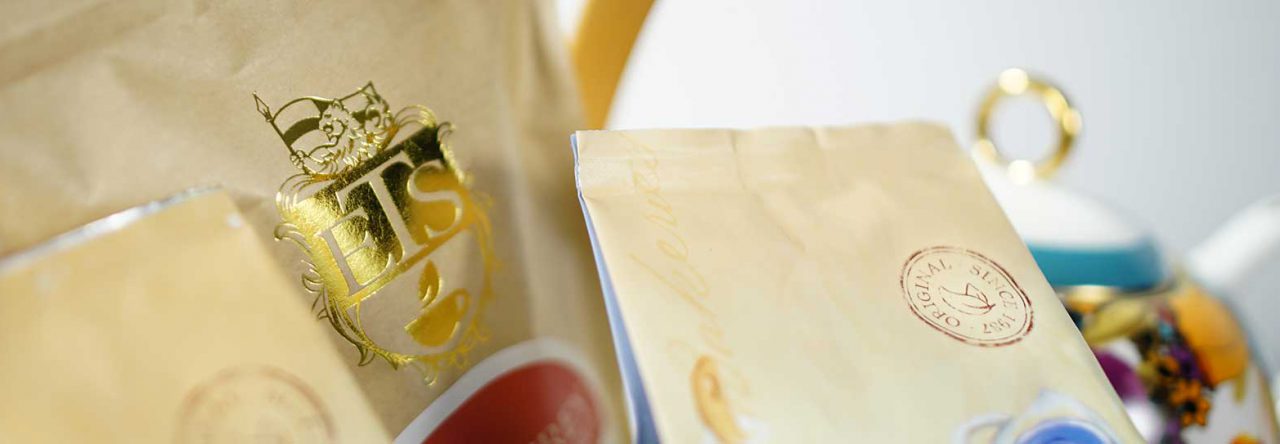
Oolong, Sencha, and Pu-erh: The ultimate health trio—or a rather unusual tea blend? (ETS Images)
The Never-Ending Stream of Tea Health Claims
Browse enough tea-related articles, advertisements, and press releases and you’ll encounter an astonishing variety of promises.
Tea has been credited with helping everything from weight management and heart health to glowing skin, longevity, mental clarity, digestion, and athletic performance.
Some of these claims have at least a foundation in legitimate research.
Others appear to have originated primarily in marketing departments.
The difficulty for consumers is that both often appear side by side.
Tea and Skin Health
One commonly repeated claim is that tea—particularly green tea—promotes healthier, more radiant skin.
This idea isn’t entirely without merit.
Tea contains naturally occurring polyphenols and antioxidants that researchers continue to study for their potential role in supporting overall skin health and protecting against certain forms of environmental stress.
However, “may contribute to healthy skin” and “guarantees radiant skin” are not the same statement.
As with most nutrition-related topics, the reality tends to be far more modest than promotional headlines suggest.
The “Super Blend” Phenomenon
Another popular strategy involves combining several already-popular teas into a single product and presenting the result as a nutritional powerhouse.
Imagine a blend featuring:
- Oolong tea
- Sencha green tea
- Pu-erh tea
Each tea individually has attracted attention from researchers and health-conscious consumers.
The marketing logic is simple: if each tea has potential benefits, combining them must create something even more extraordinary.
Whether the resulting flavor profile is equally appealing is another question entirely.
The presence of multiple tea types doesn’t automatically multiply health benefits.
Biology is rarely quite that cooperative.
The Persistent Appeal of Slimming Teas
Few tea-related products generate as much marketing excitement as slimming teas.
Advertisements often imply that a daily cup can effortlessly melt away unwanted weight.
Unfortunately, the scientific evidence tends to be considerably less dramatic.
Some teas contain compounds that researchers have associated with modest effects on metabolism, energy expenditure, or appetite regulation. However, these effects are generally small and should not be confused with substantial weight loss.
No tea currently offers a shortcut around the fundamentals of nutrition, physical activity, sleep, and overall lifestyle habits.
When evaluating slimming tea claims, a healthy dose of skepticism remains a valuable ingredient.
When “Endless Benefits” Should Raise Questions
A useful rule of thumb: when an article claims that a food or beverage offers “endless” benefits, it’s usually time to slow down and look for evidence.
Extraordinary claims require extraordinary support.
Unfortunately, many health-focused articles rely heavily on broad statements while providing little information about study design, research quality, or scientific consensus.
Tea deserves credit for what research actually demonstrates—not for every benefit someone wishes it possessed.
The Earl Grey Exception
Occasionally, even classic teas receive the miracle-treatment.
Earl Grey, for example, is sometimes promoted as a uniquely beneficial health beverage.
In reality, most of the health-related discussion surrounding Earl Grey stems from the tea itself rather than from any magical property specific to bergamot flavoring.
That’s not meant as criticism of Earl Grey. It’s a wonderful tea.
It’s simply important to distinguish between claims supported by evidence and claims supported primarily by enthusiasm.
Kombucha and Other Tea-Based Wellness Trends
Tea’s reputation also extends to products that are only partially tea.
Kombucha, for example, is a fermented beverage often prepared using tea as a base ingredient.
Interest in kombucha has grown alongside broader consumer enthusiasm for fermented foods and beverages.
While fermentation is an active area of scientific research, kombucha has occasionally attracted health claims that exceed the current evidence.
As with tea itself, balanced discussions are often more valuable than sweeping promises.
What a Balanced View Looks Like
One of the challenges in the tea industry is that measured, evidence-based discussions frequently attract less attention than dramatic headlines.
A balanced perspective generally sounds something like this:
- Tea contains bioactive compounds worthy of study.
- Research findings are often promising.
- Many questions remain unanswered.
- Results observed in laboratories do not always translate to humans.
- Tea is best viewed as part of a healthy lifestyle rather than a cure-all.
Admittedly, this approach is less exciting than miracle claims—but it is usually closer to reality.
Why Skepticism Matters
Skepticism doesn’t mean dismissing every health claim.
It simply means asking reasonable questions:
- What evidence supports this claim?
- Were human studies conducted?
- How large were the studies?
- Who funded the research?
- Is the claim being made by someone selling the product?
These questions help consumers make informed decisions while avoiding unrealistic expectations.
The Bottom Line
Tea almost certainly offers genuine health benefits. Research continues to suggest that regular tea consumption may positively contribute to overall wellness, and many of those findings are worthy of attention.
At the same time, exaggerated marketing claims remain common.
Whether the subject is glowing skin, effortless weight loss, miracle detoxification, or a revolutionary proprietary blend, caution is often warranted.
The most reasonable position lies somewhere between blind enthusiasm and complete dismissal.
Enjoy tea because it tastes good. Appreciate the science where it exists. Remain open-minded about new research. And whenever someone promises that a particular tea will solve all your problems, reach not for your wallet—but for a healthy handful of skepticism.
See more of William I. Lengeman’s articles in this archive of tea commentary, history, and tea culture articles.
© Online Stores, Inc., and The English Tea Store Blog, 2009–2014. Unauthorized use is prohibited. Excerpts may be used with proper credit and links to the original content.


Leave a Reply