
Those Goliath-sized tea companies have been feeling increasing pressure from a growing number of David-sized specialty tea vendors. As consumer interest in premium teas, loose-leaf tea, and single-origin teas continues to grow, more tea drinkers are discovering that tea can be much more than the traditional “dust in a bag” experience.
The comparison naturally brings to mind the famous story of David and Goliath—the giant facing off against the shepherd armed with little more than a sling and a stone. In today’s tea world, growing awareness of specialty tea may well be that stone.
The large tea companies, of course, enjoy several significant advantages. The most obvious is their size. They have substantial marketing budgets, extensive distribution networks, and shelf space in supermarkets around the world. They can purchase enormous quantities of tea, package it efficiently, and launch advertising campaigns capable of reaching millions of consumers.

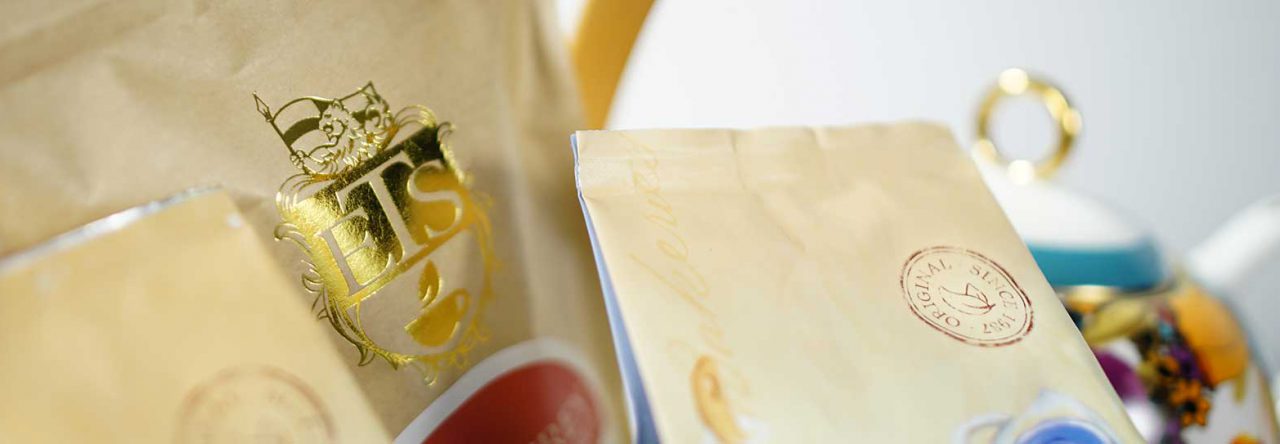
One of those Goliaths. (ETS image)
The Tea Industry’s Goliaths
Some of the largest companies in the global tea industry include:
- Unilever tea brands and products — producer of well-known brands including Lyons Tea Irish tea blends and ips.html”>PG Tips black tea. For decades, Unilever has been one of the world’s most influential tea marketers.
- Tata Consumer Products and Tetley Tea — owner of Tetley Tea and one of the world’s largest beverage companies, headquartered in India.
- Major coffee and beverage companies investing in specialty tea brands — several large beverage corporations have expanded into the tea market through acquisitions and specialty tea partnerships.
The Rise of Specialty Tea Vendors
The Davids of the tea world are smaller companies, independent tea merchants, family-owned tea businesses, and specialty tea retailers dedicated to quality-focused products.
Rather than competing through mass-market advertising, these companies often rely on direct relationships with tea growers, transparent sourcing practices, tea education, and carefully curated selections of premium teas.
Many sell teas harvested from specific gardens, regions, or seasons, allowing consumers to experience the unique characteristics of individual tea origins rather than standardized blends designed for consistency.
How Small Tea Companies Compete
Today’s specialty tea vendors have access to tools that didn’t exist a generation ago.
- Online tea stores allow direct sales to tea consumers worldwide.
- Tea blogs provide reviews, brewing advice, and educational content.
- Social media platforms help tea companies connect directly with passionate tea drinkers.
- Tea influencers, reviewers, and educators introduce consumers to teas they may never encounter in traditional retail stores.
In many cases, tea growers themselves are now able to sell directly to consumers or partner with smaller specialty retailers. This can help growers receive better prices while providing customers access to fresher and more distinctive teas.
A Changing Tea Marketplace
The growing popularity of loose-leaf tea, artisanal tea blends, specialty oolong teas, premium white teas, single-estate black teas, and handcrafted teas suggests that consumer preferences continue to evolve.
Tea drinkers today have more choices than ever before. Some prefer the convenience and familiarity of established brands, while others enjoy exploring smaller producers and specialty tea merchants.
Fortunately, there is room for both approaches. A cup of PG Tips can be just as enjoyable as a rare single-garden tea, depending on the occasion and the drinker.
Final Thoughts
The tea world is changing, and specialty tea companies are playing an increasingly important role in that evolution. Every new tea drinker who discovers loose-leaf tea, learns about tea origins, or experiments with a premium tea is helping expand appreciation for the diversity of tea available today.
Whether your loyalty lies with one of the industry’s giants or with a small specialty tea merchant, there has never been a more exciting time to be a tea lover.
See more author/accargill/”>tea articles and tea culture commentary by A.C. Cargill.
© Online Stores, Inc., and The English Tea Store Blog, 2009-2014. Unauthorized use and/or duplication of this material without express and written permission from this article’s author and/or the blog’s owner is strictly prohibited. Excerpts and links may be used, provided that full and clear credit is given to Online Stores, Inc., and The English Tea Store Blog with appropriate and specific direction to the original content.



Leave a Reply