
Spend enough time exploring tea websites, social media posts, and wellness articles, and you’ll quickly encounter an impressive array of health claims.
Tea has been credited with everything from improving heart health and aiding weight loss to preventing disease and promoting longevity. Some of these claims reference scientific studies, while others rely on anecdotal reports or marketing language.
For tea vendors, writers, and enthusiasts, this creates a challenge: how do you discuss tea and health responsibly?
The answer is often simple—appreciate tea for what it is, stay informed about current research, and consult qualified healthcare professionals regarding medical concerns.

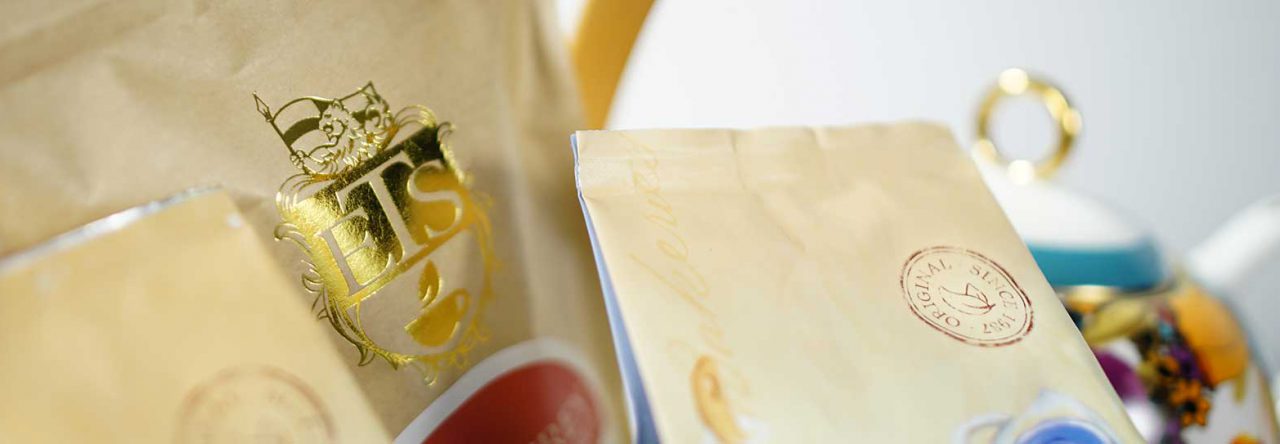
Tea is widely enjoyed around the world, but health claims about tea should always be approached thoughtfully and carefully. (Photo by A.C. Cargill, all rights reserved)
Why Tea Health Claims Can Be Complicated
Tea has been consumed for thousands of years and has become the subject of extensive scientific research.
At the same time, scientific understanding is constantly evolving.
Studies may produce promising findings, conflicting results, or conclusions that later require refinement as additional evidence becomes available.
What appears certain today may be reconsidered tomorrow as new research emerges.
This is one reason responsible tea discussions often avoid making blanket statements about health outcomes.
The Challenge for Tea Vendors
Tea sellers naturally want to educate customers about their products.
However, there is an important distinction between discussing tea’s history, flavor, preparation, and composition versus making claims about preventing, treating, or curing medical conditions.
Claims involving health outcomes can be particularly sensitive because:
- Individual responses vary.
- Scientific research continues to evolve.
- Medical conditions require professional evaluation.
- Regulatory standards often govern health-related marketing.
As a result, many tea professionals prefer to focus on tea’s cultural heritage, craftsmanship, flavor profiles, and enjoyment rather than presenting tea as a medical solution.
Antioxidants and Tea
One of the most frequently discussed topics in tea research involves antioxidants.
Tea naturally contains compounds such as polyphenols and catechins that have attracted significant scientific interest.
Over the years, antioxidants have often been highlighted in discussions about tea’s potential wellness benefits.
However, nutrition science is complex, and researchers continue to investigate exactly how various compounds interact within the human body.
As with many areas of nutrition research, conclusions can become more nuanced as additional studies are conducted.
For consumers, this serves as a reminder that no single food or beverage should be viewed as a miracle solution.
The Caffeine Conversation
Caffeine is another subject that frequently appears in discussions about tea and health.
Tea naturally contains caffeine, although levels vary depending on factors such as:
- Tea type
- Growing conditions
- Leaf grade
- Brewing method
- Steeping time
Some people enjoy caffeinated tea without issue, while others may be more sensitive to caffeine.
Individual tolerance levels can differ considerably.
This explains why some tea drinkers prefer decaffeinated teas or naturally caffeine-free herbal infusions, while others continue enjoying traditional tea varieties.
Tea Versus Herbal Infusions
Discussions about tea and health often become even more complicated when herbal beverages enter the conversation.
Strictly speaking, true tea comes from the Camellia sinensis plant.
This includes:
- Black tea
- Green tea
- White tea
- Oolong tea
- Pu-erh tea
Many beverages commonly marketed as “herbal teas” contain no actual tea leaves at all.
Instead, they may be made from:
- Flowers
- Roots
- Berries
- Leaves from other plants
- Spices
- Herbs
Although these infusions can be enjoyable and have long histories of traditional use, they differ significantly from true tea and should be evaluated on their own merits.
The Importance of Accurate Tea Terminology
Tea education benefits from precise language.
For example, discussions of tea processing sometimes incorrectly use the term fermentation when referring to most black tea production.
In modern tea terminology, the preferred term is usually oxidation.
Oxidation is the chemical process responsible for many of the flavor and color changes occurring during tea manufacture.
Using accurate terminology helps consumers better understand tea, its production, and its unique characteristics.
Separating Enjoyment from Medical Advice
One of the most balanced approaches to tea appreciation is recognizing that tea can be enjoyed without assigning extraordinary expectations to it.
Tea offers many qualities worth celebrating:
- Flavor
- Aroma
- Tradition
- Craftsmanship
- Cultural significance
- Social connection
- Comfort and relaxation
These benefits are readily observable and experienced by tea drinkers every day.
Medical claims, by contrast, require careful scientific evaluation and professional guidance.
A Reasonable Approach to Tea and Wellness
For readers interested in tea and wellness, a sensible approach includes:
- Reading research from credible sources.
- Remaining open to evolving scientific evidence.
- Avoiding exaggerated claims.
- Considering individual health circumstances.
- Consulting healthcare professionals when medical questions arise.
This approach allows tea enthusiasts to stay informed without becoming distracted by every new headline or trend.
The Bottom Line
Tea is a remarkable beverage with a rich history, fascinating chemistry, and an important place in cultures around the world.
While discussions of tea’s potential health effects continue to generate interest, consumers should approach health claims carefully and recognize that scientific understanding evolves over time.
Rather than viewing tea as a cure-all, it may be best appreciated for what is already well established: a flavorful, enjoyable beverage that has brought comfort, conversation, and pleasure to people for centuries.
And when questions involve specific health conditions or treatment decisions, the wisest course remains the same:
Consult your doctor or qualified healthcare professional.
© Online Stores, Inc., and The English Tea Store Blog, 2009–2014. Unauthorized use is prohibited. Excerpts may be used with proper credit and links to the original content.

Leave a Reply