
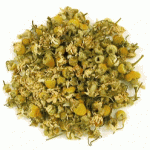
A tisane is not a true tea, but a herbal concoction that is brewed just like tea. While tea is a leaf plucked from the Camellia sinensis plant, tisanes are leaves plucked from just about everything but the Camellia sinensis plant. These herbal drinks can include anything from Chamomile to Peppermint and can even be blended together with tea.
When you are preparing a tisane, you have the choice of preparing it with a decoction method or with an infusion method. Decoction involves placing your ingredients in a pot with cool water and bringing it to a boil. A quick side note here – you never want to use an aluminum pot to prepare a tisane since aluminum is a reactive metal. Aluminum can actually produce a toxic reaction with some herbs. So make sure that to use a stainless steel pan to boil your tisane ingredients. After bringing your mixture to a boil, let it continue to boil until the liquid is reduced by two thirds. Then you can strain and drink.
The decoction method of brewing tisanes is generally used for plant parts that are small or tough. So seeds, leaves and flowers are usually brewed with the infusion method, which is simply pouring hot water over these more tender plant parts and waiting for a few minutes before removing the plant material and drinking. Berries, roots and bark are more appropriate for the decoction method of brewing.
So whether you are comforting a case of the sniffles or soothing an upset stomach, you can enjoy your tisane brew by tailoring it to suit your every need.


 Tea Blog
Leave a comment