

Why Tea Prices Change (and How to Save Money on Tea)
Prices rise and fall—it’s true for everything from clothing and food to gas and even tea. For tea lovers, these fluctuations can impact your budget more than you might expect.
Fortunately, with a little awareness and smart shopping, you can manage rising tea costs and still enjoy your favorite brews.
What Affects the Price of Tea?
Many factors influence tea prices, from labor costs to global events.
For example, in India’s
Darjeeling tea region, wage increases for tea workers can significantly raise production costs. Over time, these increases are often reflected in the price consumers pay.
When labor costs rise, tea estates may:
- Increase prices
- Reduce production
- Or, in some cases, shut down altogether
All of these outcomes can affect availability and pricing.
Production and Processing Costs
Tea production involves careful handling at every stage—from plucking leaves to processing them by
hand or machine.
Additional costs can include:
- Factory equipment upgrades or repairs
- Damage from events like factory fires
- Transportation and distribution
Tea is also commonly sold through auctions, where prices can fluctuate depending on demand and supply, adding another layer of variability.

Flavored Teas and Perceived Value
Added ingredients can also increase the price of tea. Blends that include:
- Fruits
- Flower petals (like lavender tea blends)
- Spices or herbs
may cost more due to ingredient sourcing—or simply because they are perceived as more premium.
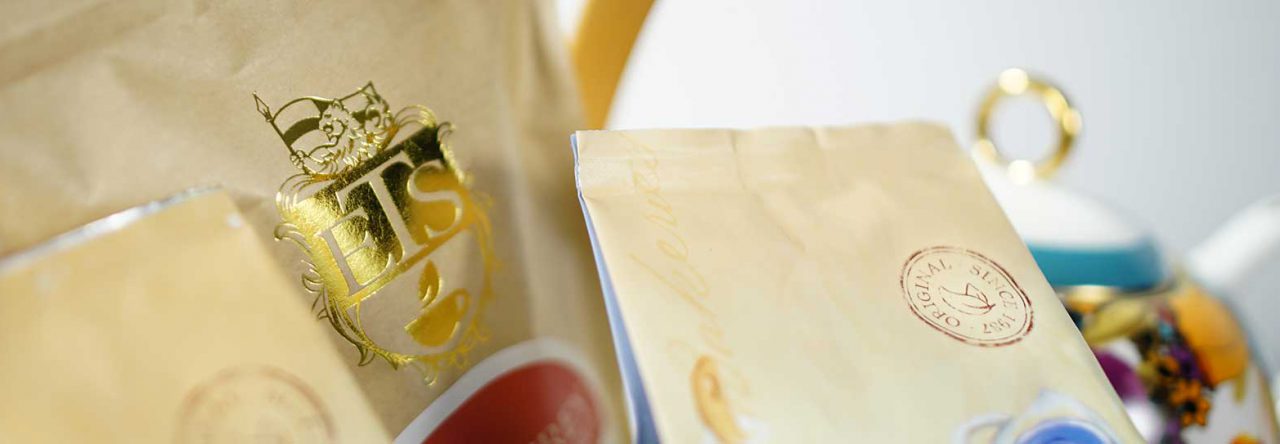
Packaging and branding also play a role. A tea that looks luxurious may be priced higher, even if the quality is comparable to more affordable options.
How to Get the Best Value for Your Tea
One of the most effective ways to save money is to compare prices across brands.
For example, when comparing gunpowder green tea from different vendors, you may find:
- Similar leaf size and quality
- Nearly identical flavor profiles
- Comparable brewing performance (including multiple infusions)
Yet prices can vary dramatically—from around $1 per ounce to $4 per ounce or more.
In many cases, the lower-priced option delivers the same experience, making it the better overall value.
You can explore alternatives from trusted
green tea vendors to find comparable quality at a better price.
Final Thoughts: Riding the Tea Price Rollercoaster
Tea prices may rise and fall, but understanding the reasons behind those changes can help you make smarter buying decisions.
By paying attention to market trends, comparing options, and focusing on value rather than branding, you can keep enjoying high-quality tea without overspending.
So sit back, sip wisely, and enjoy the ride!
© Online Stores, Inc., and The English Tea Store Blog. Unauthorized use or duplication is prohibited. Excerpts and links may be used with proper credit.


Leave a Reply