
Many tea vendors, in addition to their online stores, maintain company blogs (pssst…you’re reading one now!). These blogs often aim to increase customers’ knowledge of tea, encouraging them to explore new varieties beyond their usual choices.
Given the cost of premium teas, this added knowledge can be a strong motivator. Linking to external reviews can further enhance credibility.

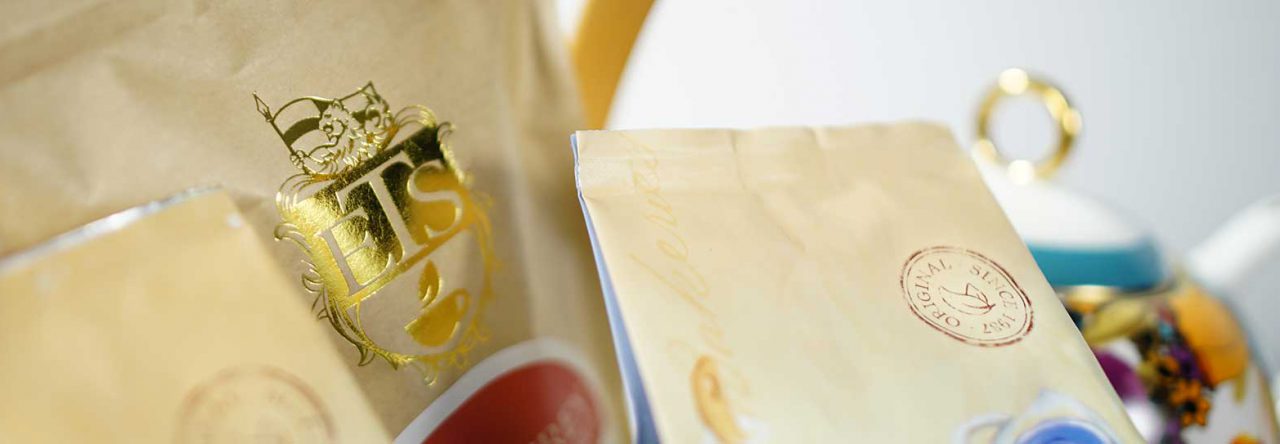
Great photos like this one are essential to a good tea blog. (Photo source: stock image)
But are all tea blogs created equal? Do they always provide reliable information? Or are they primarily designed to promote products?
The answer: no to the first question—and yes and no to the others.
1 Keyword Loading
Some blogs focus heavily on search engine optimization (SEO), packing posts with repeated keywords to rank higher in search results.
This can lead to unnatural writing—such as repeating phrases like “iced tea” multiple times in the opening paragraph. While effective for visibility, it doesn’t always make for a better reading experience.
2 Hidden Authors
A lack of clear authorship is another concern. Some blogs heavily edit submissions or publish articles without proper attribution.
This raises questions about credibility. As readers, it’s helpful to know who is writing the content and whether they have the expertise to speak on the topic.
Transparency matters—not only for giving credit but also for building trust.
3 Unsubstantiated Health Claims
Health claims about tea are common, but not always backed by credible sources. Many blog posts mention benefits without linking to scientific studies or reliable references.
Even if readers don’t fully understand the research, it’s important to know that claims are grounded in evidence rather than speculation.
4 Tunnel Vision
Some blogs present only one perspective—especially when tied to specific products. Contrasting viewpoints may be excluded if they don’t align with what the vendor sells.
Stronger blogs allow for differing opinions. One writer may prefer loose-leaf tea while another favors tea bags; one may enjoy milk, another may not. Presenting a range of perspectives enriches the reader’s experience.
Vive la différence!
5 One-Note Content
Many vendor blogs focus solely on straightforward product information. Others take a broader approach, offering variety:
- Product reviews
- Tea education
- Company spotlights
- Book reviews
- Personal stories and lifestyle content
- Tea news and innovations
This diversity helps keep readers engaged and adds depth to the tea experience.
Bottom Line
Tea vendor blogs can be valuable resources, but their quality and objectivity vary. Pay attention to authorship, sourcing, and perspective when evaluating the information presented.
Knowing who is behind the content makes a difference.
Thanks for reading!
© Online Stores, Inc., and The English Tea Store Blog. Unauthorized use is prohibited. Excerpts allowed with proper credit.


Leave a Reply