
Here is something to ponder while you pause to enjoy a comforting cup of your favorite tea: what is it about royal families—heirs to thrones, weddings, and births—that continues to capture public fascination? Before sharing a theory, it’s worth considering what others have said on the subject.

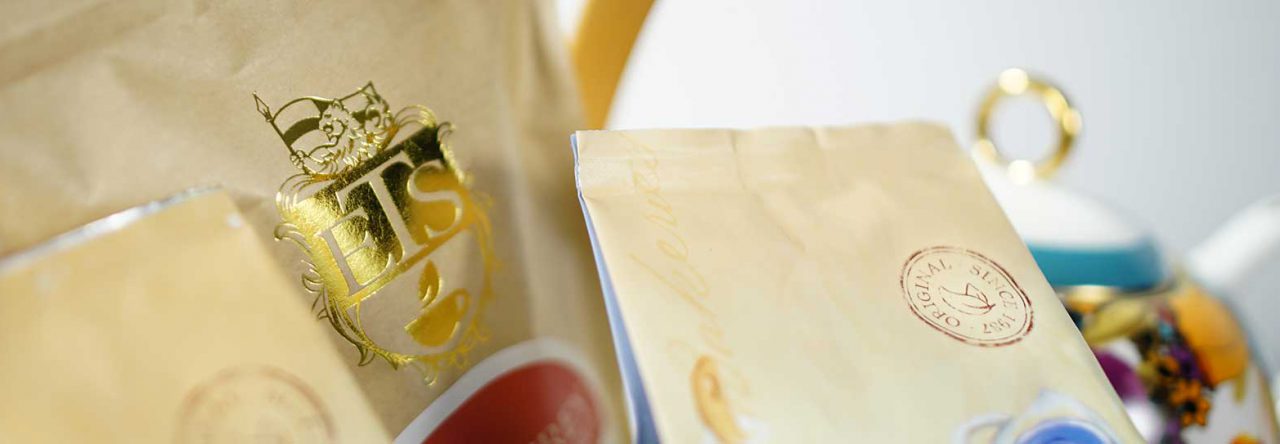
Royal Baby Commemoratives — a piece of British history! (ETS image)
Here are a few perspectives found online:
- “It is nice for Britain to have a monarchy, because it’s a symbol of traditions and everything that represents the nation. It’s something that provides continuity regardless of political changes.”
- “With a constitutional monarchy, the head of state stands apart from current political issues. They represent tradition and national identity in a consistent way.”
- “The British monarchy is valued not only for governance, but also for its ceremonial and theatrical role.” — from this BBC analysis of the cultural role of the British monarchy
And now for my theory: fairy tales.
From childhood, many people grow up with stories of princes, princesses, and happily-ever-after endings. These stories present an idealized world filled with elegance, romance, and spectacle. When modern royal events take place—coronations, weddings, and births—they evoke that same sense of wonder.
Consider historic moments such as the coronation of Queen Elizabeth II, the globally watched wedding of Prince Charles and Lady Diana Spencer, and the widespread public interest in royal births. These occasions offer a temporary escape into something grander and more storybook-like than everyday life.
This fascination is reflected in the continued popularity of royal commemorative tea items celebrating major British royal events. Even outside the United Kingdom, interest remains strong. While many people may not desire a monarchy as a form of government, the pageantry and tradition associated with it still hold broad appeal.
Whether it’s a royal wedding, a milestone birthday, or the arrival of a new heir, these events continue to draw attention because they connect to a deeper cultural narrative—one rooted in history, symbolism, and the timeless allure of a good story.
And that, perhaps, is something worthy of raising a teacup in appreciation.
See more of A.C. Cargill’s articles in this archive of tea culture and lifestyle articles by the author.
© Online Stores, Inc., and The English Tea Store Blog. Unauthorized use is prohibited. Excerpts allowed with proper credit.
“


Leave a Reply