
Genmaicha is one of the easiest teas to recognize thanks to the toasted rice mixed among the tea leaves. To those new to Japanese tea, the addition of rice may seem unusual at first. However, Genmaicha enthusiasts know that these toasted grains provide the perfect complement to the sweet, grassy character of green tea.

A flavorful cup of Genmaicha (photo by Elise Nuding).
The tea base used in Genmaicha is typically sencha, one of Japan’s most popular green teas. While sencha is considered a high-quality tea, it is generally not as rare or prestigious as Gyokuro, which is often regarded as one of Japan’s finest green teas.
The English Tea Store’s Genmaicha follows this traditional approach, combining sencha leaves with toasted rice to create a blend that delivers the classic aroma and flavor expected from this beloved Japanese tea.
Brewing Genmaicha
Like most green teas, Genmaicha is best brewed with water below a full rolling boil. Excessively hot water can scorch the delicate leaves and produce a bitter taste.
Fortunately, Genmaicha is somewhat more forgiving than many premium Japanese green teas. The toasted rice softens the overall flavor profile and helps mask minor brewing imperfections. That said, it can still become bitter if over-steeped, so keeping an eye on the timer is worthwhile.
For this particular blend, a steeping time of approximately 45 to 60 seconds produced a balanced first infusion. Depending on personal preferences, extending the steep to 75 seconds may create a slightly fuller flavor without overwhelming bitterness.

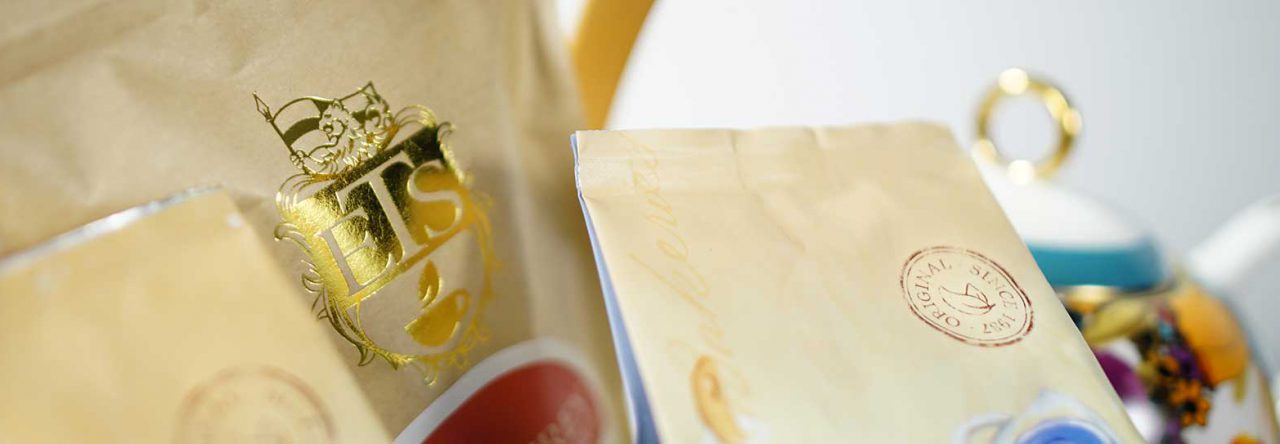
Genmaicha (ETS image)
Multiple Infusions
One advantage of Japanese green teas is their ability to produce multiple infusions. The sencha leaves in Genmaicha can certainly be re-steeped, but the toasted rice behaves a little differently.
During the first infusion, the rice contributes much of the signature roasted aroma and nutty flavor that define the tea. By the second steep, much of that character has already been extracted, resulting in a noticeably lighter rice flavor.
The second infusion often tastes closer to a traditional sencha, with the grassy and vegetal notes becoming more prominent.
Because I personally enjoy Genmaicha primarily for its toasted rice character, I tend to prefer the first infusion. However, tea drinkers who appreciate a subtler rice flavor may find the second or even third steep equally enjoyable.
Flavor Profile
Genmaicha delivers a distinctive combination of flavors that make it stand out among Japanese green teas:
- Sweet, grassy sencha notes
- Nutty, toasted rice character
- A smooth, mellow finish
- Moderate vegetal complexity without excessive bitterness
This balance of savory, roasted, and refreshing flavors makes Genmaicha particularly approachable for those who may find some green teas too vegetal or astringent.
Final Thoughts
The English Tea Store’s Genmaicha offers an enjoyable balance between sencha and toasted rice, delivering the comforting aroma and flavor that fans of the style expect.
Whether you’re new to Japanese teas or already a devoted Genmaicha drinker, this blend provides a pleasant introduction to one of Japan’s most distinctive tea traditions.
For anyone who enjoys the combination of fresh green tea flavors and warm roasted notes, it is certainly worth exploring.
See more of Elise Nuding’s articles in this archive of tea reviews and tea culture articles.
© Online Stores, Inc., and The English Tea Store Blog, 2009–2014. Unauthorized use is prohibited. Excerpts may be used with proper credit and links to the original content.


Leave a Reply