
Recent political movements aside, there’s no question that the most famous tea party in American history took place in Boston on December 16, 1773.
As discussed in
this overview of the Boston Tea Party Ships & Museum and its historical exhibits
,
the event has even been recreated as a modern tourist attraction.

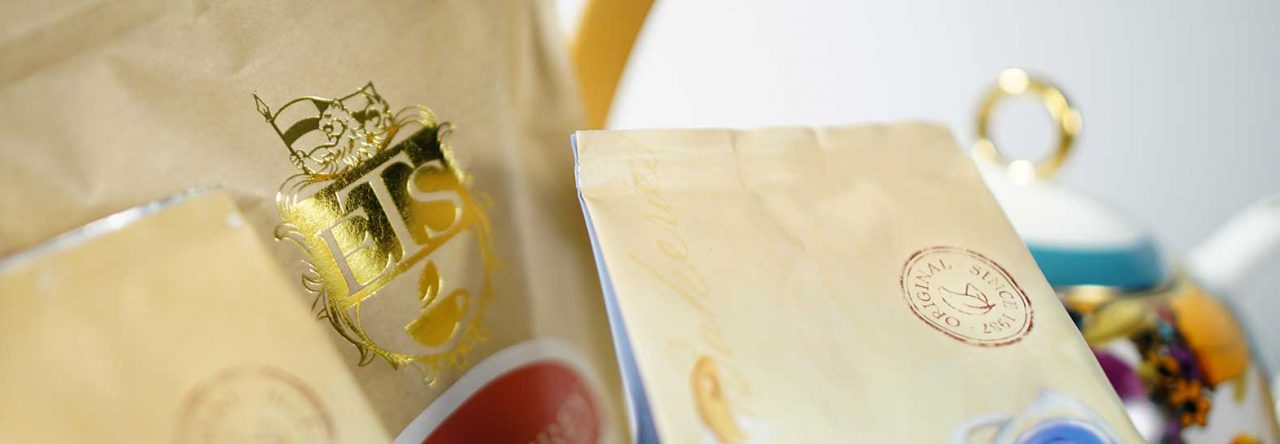
British Tea Favourites (Photo source: The English Tea Store)
While the Boston Tea Party remains the most well-known example, it was far from the only such incident. In fact, numerous smaller tea-related protests occurred throughout the American colonies in the months that followed.
Much of the unrest surrounding tea at the time stemmed from the passage of
the Tea Act of 1773 and its implications for colonial trade and taxation
,
which was intended in part to support the British East India Company.
Colonists viewed the act as unfair and responded with resistance that extended beyond the events in Boston.
Within weeks of the Boston Tea Party, similar actions took place in other colonies. In Charleston, South Carolina, colonists seized tea shipments. In Philadelphia, resistance efforts prevented a ship from unloading its cargo. Additional protests in Boston in early 1774 saw more tea destroyed or rejected.
Further incidents occurred throughout 1774 in locations including New York, New Jersey, Maryland, Maine, and North Carolina, illustrating that the opposition to British tea policy was widespread.
For more details on events in specific regions, see
this historical account of tea protests in Maryland and North Carolina during the revolutionary period
.
For a broader perspective, refer to
this overview of multiple tea-related protests across the American colonies leading up to the Revolutionary War
,
which places the Boston Tea Party within a larger pattern of resistance.
© Online Stores, Inc., and The English Tea Store Blog. Unauthorized use is prohibited. Excerpts allowed with proper credit.



 Tea Blog
Leave a comment