
While this blog enjoys a global readership, this particular article is aimed at tea customers in the United States.
I’ve previously discussed the differences between small, specialized tea vendors and larger, more general retailers. Another important factor to consider is location—specifically, whether your tea vendor is based in the U.S. or overseas.
Each option has its advantages and disadvantages.
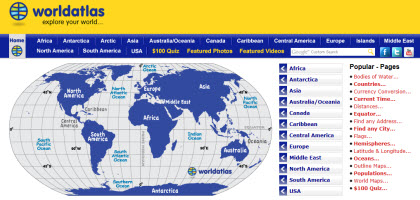
Where in the world is your tea vendor? (Photo source: screen capture)
Most tea consumed in the U.S. is imported—estimates range from roughly 70% to 80%. Much of this tea, including well-known brands like
PG Tips
and
Barry’s,
is sold either through U.S.-based vendors or ordered directly from abroad.
Having purchased tea both domestically and internationally, I’ve found clear pros and cons to each approach.
Buying Directly from Overseas Vendors
One advantage of purchasing from overseas vendors is proximity to the source. Vendors located near tea-growing regions often have direct relationships with growers and processors, which can result in fresher and higher-quality products.
In my own experience, this has proven true when working with vendors in regions like Darjeeling and China, who demonstrated strong sourcing capabilities—sometimes despite initially limited online presence.
Buying from U.S.-Based Vendors
U.S.-based vendors offer a different set of advantages—primarily convenience and speed.
Shipping is typically faster, often taking just a few days compared to a week or more for international orders. Overseas shipments can also be delayed in customs, and in some cases may even be returned due to minor documentation issues.
Returns and customer service are often more straightforward domestically, thanks to well-established retail practices in the U.S.
Cost Considerations
Cost factors vary depending on where you buy:
- U.S. vendors include import costs in their pricing, plus you pay shipping to your location
- Sales tax may apply for domestic purchases
- Overseas vendors may offer lower base prices but charge international shipping
- Sales tax is typically not applied to international orders
Transparency and Trust
Knowing who you’re buying from can be equally important. While both U.S. and international vendors can be transparent, it is often easier to find detailed information about U.S.-based companies online.
That said, many reputable overseas vendors are equally trustworthy once you establish familiarity with them.
Regulations and Import Challenges
Importing tea into the U.S. involves navigating a complex regulatory environment, including FDA guidelines and labeling requirements.
Tea must meet safety standards regarding issues such as pesticide use and potential contamination, and packaging must follow specific labeling rules.
These regulations add another layer of effort for both domestic importers and international vendors shipping to U.S. customers.
Final Thoughts
Whether you choose a U.S.-based vendor or order directly from overseas, both options require effort and expertise behind the scenes.
In either case, it’s worth appreciating the work that goes into making quality tea available.
Give your chosen vendor a little flexibility—they’ve likely navigated quite a few challenges to bring that tea to your cup.
See also:
Tea Vendors Who Specialize
Tea Vendors Who Generalize
© Online Stores, Inc., and The English Tea Store Blog. Unauthorized use is prohibited. Excerpts allowed with proper credit.


 Tea Blog
Leave a comment