
One of the world’s most recognizable tea-drinking cultures is evolving. While Britain remains strongly associated with tea, changing tastes, new product offerings, and shifting lifestyles are reshaping how many people enjoy their daily cuppa.
The kettle may still go on in countless British homes each day, but the tea inside the pot is often very different from what previous generations enjoyed.

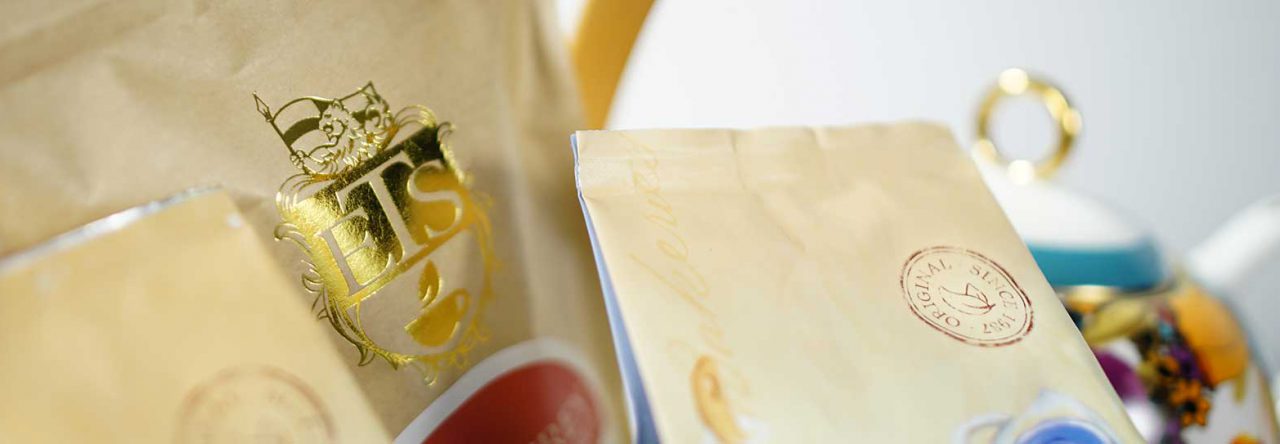
Taylors of Harrogate continues to expand its tea offerings. (Photo source: The English Tea Store)
Traditional Tea Brands Are Expanding
For generations, British tea drinking was largely defined by strong black tea blends. Today, however, many of Britain’s most established tea companies have significantly broadened their product ranges to meet changing consumer preferences.
One notable example is PG Tips. Long known for its signature black tea served in pyramid-shaped tea bags, the brand now offers a variety of green tea options, including flavored versions such as lemon and mint.
The expansion reflects growing interest in green tea, herbal infusions, and specialty blends among modern tea drinkers.
PG Tips has also diversified beyond traditional breakfast-style teas with flavored and lifestyle-oriented blends designed for different occasions throughout the day.
Other British Tea Brands Embrace Variety
PG Tips is far from alone in adapting to evolving tea preferences.
- Taylors of Harrogate has developed an extensive portfolio that includes green teas, Earl Grey, jasmine teas, herbal blends, and seasonal specialty teas.
- Tetley, another iconic British tea brand, now offers green teas, black-and-green tea blends, Earl Grey, and a variety of herbal infusions.
- Barry’s Tea, a longtime favorite in Ireland, has expanded beyond traditional black tea to include green tea, pu-erh, and herbal offerings.
These developments demonstrate how consumer tastes have broadened beyond standard breakfast teas to encompass a much wider range of tea styles and flavor profiles.
The Changing Face of Afternoon Tea
Britain’s famous Afternoon Tea tradition is also evolving.
While many people still appreciate the ritual of tea served with sandwiches, scones, and pastries, modern lifestyles often leave less time for leisurely afternoon gatherings. For some, tea has become a quick refreshment enjoyed between activities rather than a dedicated social occasion.
At the same time, many tearooms, hotels, and specialty venues continue to promote traditional Afternoon Tea experiences, helping preserve a beloved cultural institution.
Some establishments have even introduced contemporary twists, incorporating sparkling beverages, creative menus, and themed tea services designed to appeal to new generations of customers.
Tea Retailers Are Diversifying
Specialty tea retailers have likewise expanded their offerings in response to growing consumer curiosity.
Shops once focused primarily on traditional British tea brands now commonly stock:
- Single-origin teas
- Artisan loose-leaf teas
- Flavored black teas
- Green teas
- White teas
- Oolong teas
- Pu-erh teas
- Herbal infusions
Today’s tea drinkers often seek variety, experimentation, and opportunities to explore teas from different regions and traditions around the world.
The Rise of Specialty Tea Culture
Alongside major brands, independent tea merchants continue to flourish throughout the United Kingdom.
Many specialize in carefully sourced teas from regions such as China, Japan, India, Taiwan, and Sri Lanka. Others focus on handcrafted blends, rare harvests, or tea education.
This growing specialty tea culture has introduced many consumers to teas they might never have encountered a generation ago.
As a result, British tea culture has become more diverse and internationally influenced while still maintaining strong ties to its traditional roots.
Tradition Meets Innovation
Despite all these changes, tea remains deeply woven into British life.
The difference is that modern tea drinkers have more choices than ever before. A cup of classic English Breakfast tea remains as popular as ever, but it now shares shelf space with jasmine tea, sencha, rooibos, herbal infusions, and countless flavored blends.
Tea traditions are rarely static. They evolve alongside the people who practice them, reflecting changing tastes, lifestyles, and cultural influences.
Final Thoughts
Britain’s tea culture is not disappearing—it’s adapting.
The familiar ritual of putting the kettle on remains alive and well, even as the teas being brewed continue to diversify. From traditional black tea to green tea, specialty loose-leaf blends, and herbal infusions, today’s British tea scene offers something for nearly every palate.
The kettle may still whistle around four o’clock, but what ends up in the teacup is increasingly a matter of personal choice.
See more of A.C. Cargill’s articles in this archive of tea culture, history, and lifestyle articles.
© Online Stores, Inc., and The English Tea Store Blog, 2009–2014. Unauthorized use is prohibited. Excerpts may be used with proper credit and links to the original content.



Leave a Reply