
I’ll bet I’m not the first person to note that descriptions of wine filled with elaborate, high-flown terminology can sometimes seem a bit over the top. If you need examples, you can explore this guide to common wine tasting descriptors and terminology. It’s the kind of thing that has often been used for comic effect.
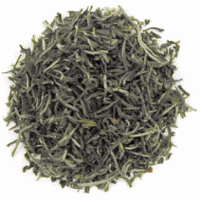
Darjeeling White Tips White Tea (Photo source: The English Tea Store)
Then there’s tea. The tradition of using specialized language to describe tea may not be as widespread as it is for wine, but it certainly exists. Professional tea tasters rely on established vocabularies, and many enthusiasts adopt similar terminology. You can see examples in this discussion of common tea descriptors used by enthusiasts and in this glossary of tea tasting terms describing flavor, aroma, and texture.
I have to admit that I don’t rely heavily on that kind of language when reviewing tea. That’s not to say I object to it—it serves a purpose, and I’m sure some of those descriptors occasionally make their way into my own impressions.
Still, I often feel that describing taste in precise words can be something of a challenge. It’s much easier when you compare a flavor to something familiar that most people have experienced. Even then, the comparison only works if your audience shares that familiarity.
To be fair, some descriptive terms are quite effective. Words like grassy, mellow, metallic, scorched, or thin can convey a clear sense of a tea’s character. Terms such as toasty or woody also tend to evoke recognizable impressions. On the other hand, descriptors like bright or clean may leave some readers wondering exactly what is meant.
But enough theorizing—time to return to something more enjoyable. I’m off to sample more of that fine, full, rich, mellow Assam I’ve been enjoying lately.
See more of William I. Lengeman’s articles in this archive of tea-related writing by the author.
© Online Stores, Inc., and The English Tea Store Blog. Unauthorized use is prohibited. Excerpts allowed with proper credit.



 Tea Blog
Leave a comment