
Among all the major tea categories, none has attracted more attention in recent decades than green tea.
From health magazines and wellness blogs to scientific studies and supermarket shelves, green tea has become one of the most talked-about beverages in the world. Its popularity extends far beyond traditional tea-drinking cultures, drawing interest from people who might otherwise never have ventured beyond coffee, soft drinks, or bottled beverages.
Much of this enthusiasm stems from green tea’s reputation for containing beneficial compounds, particularly antioxidants such as catechins.
But as interest in green tea has grown, so has an important question:
Are all green teas created equal when it comes to these much-discussed compounds?
The answer appears to be no.

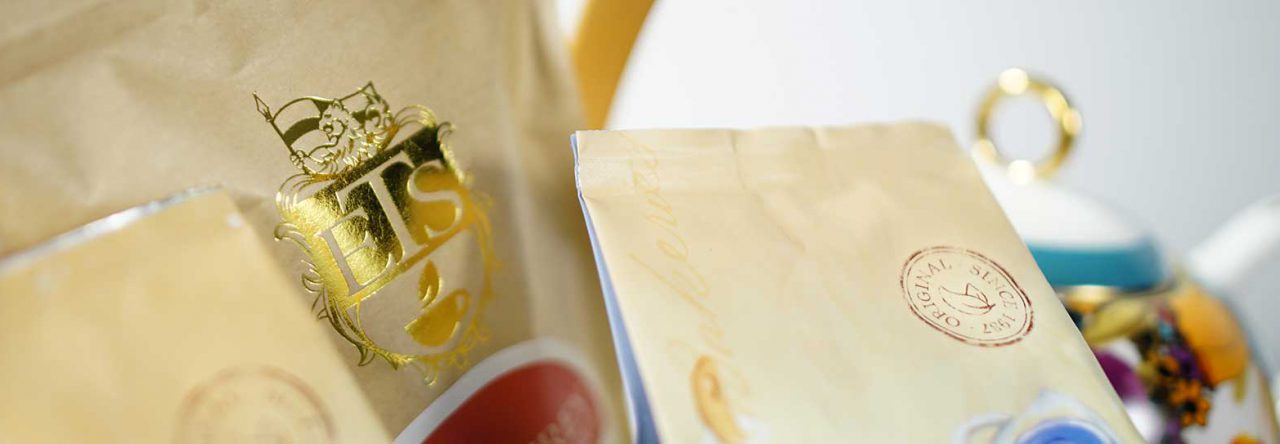
A green tea sampler offers an excellent opportunity to explore the remarkable diversity within the world’s most popular tea category. (ETS Image)
The Continued Popularity of Green Tea
Green tea’s popularity can be attributed to a combination of factors.
- A long history of traditional use
- A diverse range of flavor profiles
- Growing consumer interest in wellness
- Extensive scientific research into tea compounds
- Increasing availability worldwide
Whether enjoyed for its taste, cultural significance, or perceived health benefits, green tea has established itself as one of the most influential beverages in the modern tea market.
What Makes Green Tea Special?
Unlike black tea, green tea undergoes minimal oxidation during processing. This helps preserve a variety of naturally occurring compounds found within the tea leaf.
Among the most frequently discussed are catechins, a group of polyphenols that includes the well-known compound epigallocatechin gallate (EGCG).
These compounds are often the focus of scientific studies examining tea’s potential role in health and nutrition.
As a result, many consumers seek out green tea specifically because of its catechin content.
Not All Green Tea Contains the Same Amounts
One of the most important lessons from various studies of green tea is that the amount of EGCG and other catechins can vary substantially.
Factors that influence these levels include:
- Tea variety and cultivar
- Growing conditions
- Harvest season
- Processing methods
- Storage conditions
- Brewing techniques
In practical terms, this means two cups of green tea may look similar while delivering very different concentrations of tea compounds.
Tea is an agricultural product, and like coffee, wine, and many foods, natural variation is part of its character.
Loose Leaf vs. Tea Bags
One finding that frequently emerges in discussions of tea quality is the advantage of high-quality loose-leaf tea.
Loose-leaf teas often contain larger, less fragmented leaves and may offer a richer overall tea-drinking experience.
Potential advantages include:
- Greater flavor complexity
- Better aroma retention
- Multiple infusion capability
- Higher-quality leaf material
That does not necessarily mean tea bags are without merit.
For many consumers, tea bags provide convenience, affordability, and accessibility. Some may also supply significant amounts of beneficial tea compounds.
However, tea enthusiasts frequently prefer loose-leaf tea for its superior flavor and brewing flexibility.
The Bottled Green Tea Question
Bottled green teas occupy a unique place in the marketplace.
They offer convenience and portability, making green tea accessible to people who may not wish to brew tea themselves.
Unfortunately, convenience sometimes comes with trade-offs.
Studies examining bottled green tea products have found substantial variation in catechin content, with some beverages containing far lower quantities than consumers might expect.
In addition, many bottled teas contain:
- Added sweeteners
- Flavorings
- Preservatives
- Lower concentrations of brewed tea
As a result, bottled green tea should not automatically be assumed to provide the same tea experience—or even the same tea composition—as freshly brewed loose-leaf tea.
The Value of High-Quality Japanese Green Tea
Many premium Japanese green teas are particularly noted for their concentration of desirable tea compounds.
Teas such as:
- Sencha
- Gyokuro
- Matcha
have earned reputations for both flavor and chemical composition.
When prepared properly, these teas can deliver substantial amounts of catechins while also providing the complex vegetal, sweet, and umami-rich flavors that have made Japanese tea famous worldwide.
Understanding Concerns About Lead
Occasionally, discussions of tea quality raise concerns regarding trace amounts of heavy metals, including lead.
Tea plants, like many agricultural crops, can absorb naturally occurring substances from the environment.
Experts generally note that brewing practices influence how much of these substances ultimately enter the finished beverage.
For most tea drinkers consuming tea as part of a balanced diet, the benefits and enjoyment of tea continue to outweigh concerns associated with trace environmental contaminants.
As always, sourcing tea from reputable suppliers remains a sensible practice.
Flavor Still Matters
While antioxidant levels and chemical analyses often dominate conversations about green tea, flavor should not be overlooked.
After all, tea is ultimately consumed because people enjoy drinking it.
A tea rich in beneficial compounds but lacking flavor is unlikely to become a favorite.
The best green teas combine:
- Excellent flavor
- Appealing aroma
- Careful craftsmanship
- High-quality leaf material
- A satisfying brewing experience
For many enthusiasts, those qualities remain every bit as important as laboratory measurements.
The Bottom Line
Green tea may be the world’s most popular tea category, but not all green teas are identical.
Levels of catechins such as EGCG can vary significantly depending on the tea, how it was produced, and how it is prepared. Loose-leaf teas often provide a richer and more rewarding experience than heavily processed alternatives, while bottled teas may not always deliver the same composition consumers expect.
Most importantly, green tea is more than a collection of health-related compounds.
It is a diverse family of teas that offers remarkable flavors, traditions, and experiences.
Whether your interest begins with wellness, taste, or simple curiosity, exploring high-quality green tea remains one of the most rewarding journeys in the tea world.
See more of William I. Lengeman’s articles in this archive of tea commentary, tea culture, and tea history articles.
© Online Stores, Inc., and The English Tea Store Blog, 2009–2014. Unauthorized use is prohibited. Excerpts may be used with proper credit and links to the original content.
“



Leave a Reply