
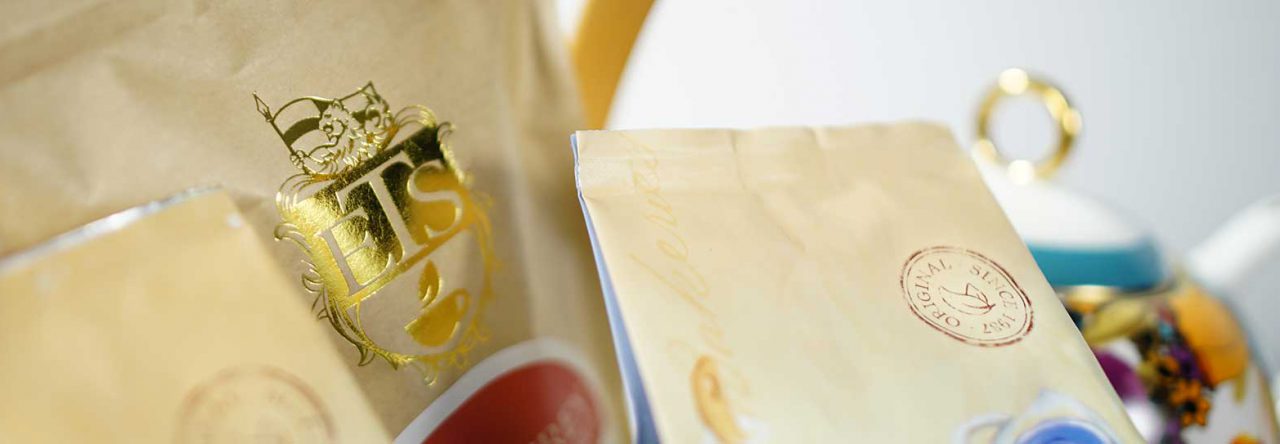

No room in the tea world for taking rudeness too seriously. (Photo by A.C. Cargill, all rights reserved)
The term “tea snobbery” makes me cringe. Yet it appears regularly online, usually when someone feels slighted by another person’s comments. While I have occasionally used the term jokingly in the past, I don’t believe true “tea snobbery” really exists.
The Tea Snobbery Claim
Recent examples include online forum users feeling offended by responses to their tea purchases, or by critiques of how certain teas should be brewed. In many cases, these situations seem less about snobbery and more about tone—comments that come across as harsh or dismissive, particularly in online environments where communication lacks nuance.
“Snobbery” Defined
The word “snobbery” is defined in this dictionary definition of snobbery as behavior associated with perceived social superiority as “snobbish behavior or an instance of it.” Meanwhile, this definition of a snob describing attitudes of social or intellectual superiority expands on the concept:
1. One who tends to patronize or ignore those judged as social inferiors while seeking association with perceived superiors.
2. One who adopts an offensive attitude of self-satisfied superiority, particularly in matters of taste or intellect.
In most tea-related discussions, disagreements over brewing methods or preferences rarely have anything to do with social status, and therefore do not truly fit these definitions.
The Real Issues Online
- Naïveté — Many people underestimate how blunt or harsh online forums can be. Without face-to-face interaction, comments can feel more aggressive, even when no offense was intended.
- Communication breakdown — Written communication lacks the tone, body language, and facial cues that help soften or clarify meaning. As noted in this discussion of how much communication relies on body language and nonverbal cues, a significant portion of communication is nonverbal, which is completely absent in online exchanges.
How to Survive the Online Slings and Arrows
First, discard the idea of “tea snobbery.” Most people offering criticism are not making judgments about social status—they simply have strong opinions or preferences about tea.
Second, take comments with a grain of salt. Online contributors may be blunt, rushed, or communicating in a second language, all of which can affect tone. What feels like a personal attack may simply be poorly phrased advice.
Finally, remember that tea is meant to be enjoyed. There is no universally correct way to experience it beyond personal preference.
There is only one real “rule” in tea: you should enjoy it. Cheers!
See more of A.C. Cargill’s articles in this archive of tea-related writing by the author.
© Online Stores, Inc., and The English Tea Store Blog. Unauthorized use is prohibited. Excerpts allowed with proper credit.


Leave a Reply