
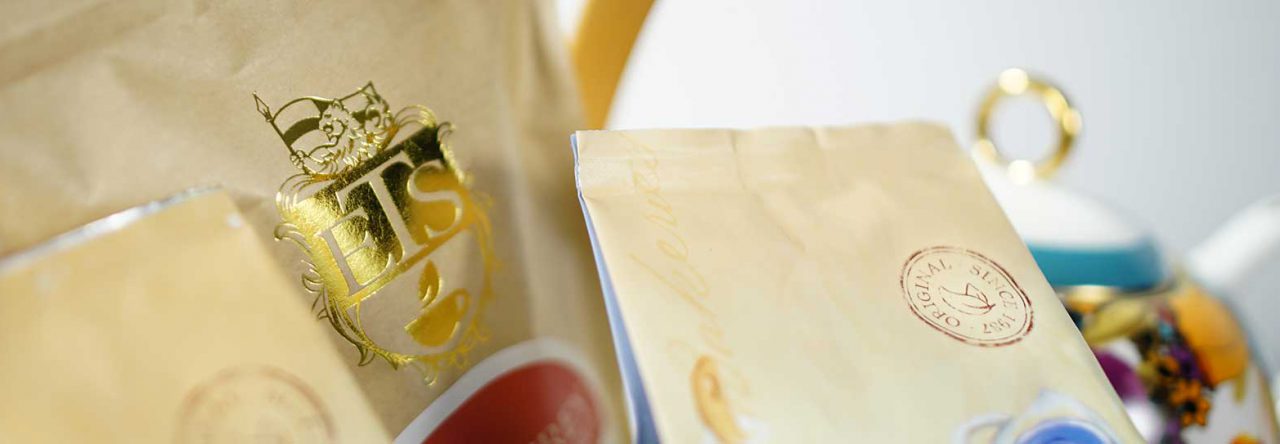

Twinings Earl Grey
It may seem natural to assume that people living in major tea-producing countries consume more tea than those elsewhere, but that is not always the case. China, the world’s largest tea producer, ranks only 33rd in per capita tea consumption. India, the second-largest producer, ranks even lower at 53rd, with an average consumption of just over one pound of tea per person per year. By comparison, the world’s highest tea consumption is found in the United Arab Emirates, where individuals consume close to fourteen pounds annually.
Regardless of overall consumption levels, there has been increased discussion in India about formally recognizing tea’s cultural importance. For example, recent coverage highlights the proposal to designate tea as India’s national drink, an idea that generated both support and debate.
While such recognition would likely benefit India’s tea industry, it also sparked some controversy. Representatives from the dairy sector argued that milk should be considered as well, reflecting the broader economic and cultural significance of both beverages.
Additional context can be found in this BBC analysis of India’s tea consumption history and cultural attitudes, which explains that tea drinking rose during the early 20th century but later faced resistance. Part of that pushback stemmed from opposition to British colonial influence, since colonial policies heavily promoted tea production and export.
Some influential figures, including Mahatma Gandhi, were critical of tea consumption, further shaping public perception during that period. These historical factors help explain why modern consumption levels in India differ from what might otherwise be expected.
In more recent tea industry news, Stephen H.B. Twining—a 10th-generation descendant of the founder of the Twinings brand—visited India to promote tea products. As detailed in this report on Twinings’ efforts to expand tea bag adoption in India, the company faces challenges in a market where loose leaf tea remains the dominant preference.
For more about the brand itself, see Twinings tea history and product offerings, which trace back more than 300 years.
© Online Stores, Inc., and The English Tea Store Blog, 2009–2014. Unauthorized use and/or duplication of this material without express written permission from the author and/or blog owner is strictly prohibited. Excerpts and links may be used with full and clear credit to Online Stores, Inc., and The English Tea Store Blog, including appropriate links to the original content.


Leave a Reply