
The practice of finger tapping when tea is being poured has long been something of a mystery to many. It is a tradition most commonly associated with certain parts of Asia—particularly China—and for those unfamiliar with it, the gesture can seem curious at first glance.
After encountering this explanation of the finger tapping custom in Chinese tea culture, it becomes clear that the practice has both historical roots and symbolic meaning.

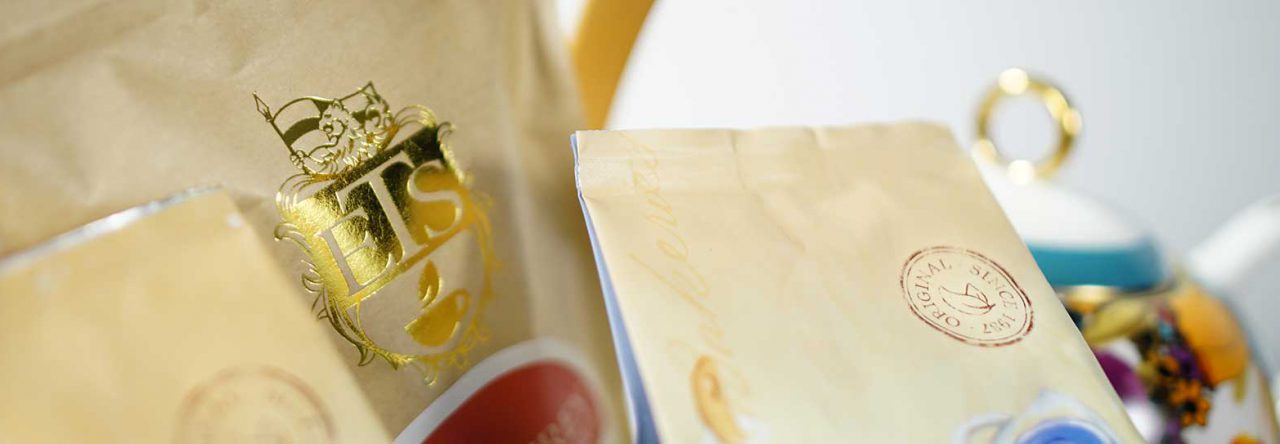
China Tea Sampler – steep and tap! (Photo source: The English Tea Store)
Interestingly, many standard references on tea history and Chinese tea traditions make little or no mention of this custom, which suggests that it may be more of a cultural nuance passed down through practice rather than extensively documented in formal texts.
One commonly shared explanation traces the custom back to China’s Qing dynasty. According to the story, an emperor once traveled incognito among his people. During one such outing, the emperor poured tea for a servant in a teahouse. Under normal circumstances, the servant would have shown respect by bowing—but doing so would have revealed the emperor’s identity. Instead, the servant bent two fingers and tapped the knuckles lightly on the table as a discreet gesture of gratitude.
This gesture is said to have evolved into the modern practice of finger tapping, which is used to silently thank someone who pours tea. Today, the gesture may be performed with two or three fingers, depending on regional variations and personal habits.
While the historical accuracy of this story is sometimes debated, the custom itself remains in use, particularly among older generations of tea drinkers. As with many traditional practices, there is some concern that it may become less common over time as cultural habits evolve.
That said, traditions like these are easily preserved through continued use. The next time someone pours tea for you, offering a few gentle taps on the table can serve as a simple and respectful way to acknowledge the gesture.
On a related note, for those interested in the science of finger tapping—albeit in a very different context—see this research on the neurological aspects of rhythmic finger tapping behavior.
See more of William I. Lengeman’s articles in this archive of tea-related writing by the author.
© Online Stores, Inc., and The English Tea Store Blog. Unauthorized use is prohibited. Excerpts allowed with proper credit.

Leave a Reply