
Every tea lover knows that proper tea storage matters.
From the moment tea is harvested and processed, a small army of enemies begins plotting against it. Air, light, moisture, heat, and strong odors all work tirelessly to rob tea of its freshness and flavor.
That’s why tea enthusiasts invest in tins, airtight containers, storage pouches, and carefully organized tea cupboards.
Unfortunately, even the most diligent tea drinker occasionally discovers that something has gone wrong.
You reach for a favorite flavored tea expecting bright fruit notes and delicate aromas, only to discover it now smells suspiciously like the cookies sitting nearby in the pantry.
Tea, it seems, can be surprisingly social when it comes to sharing aromas.

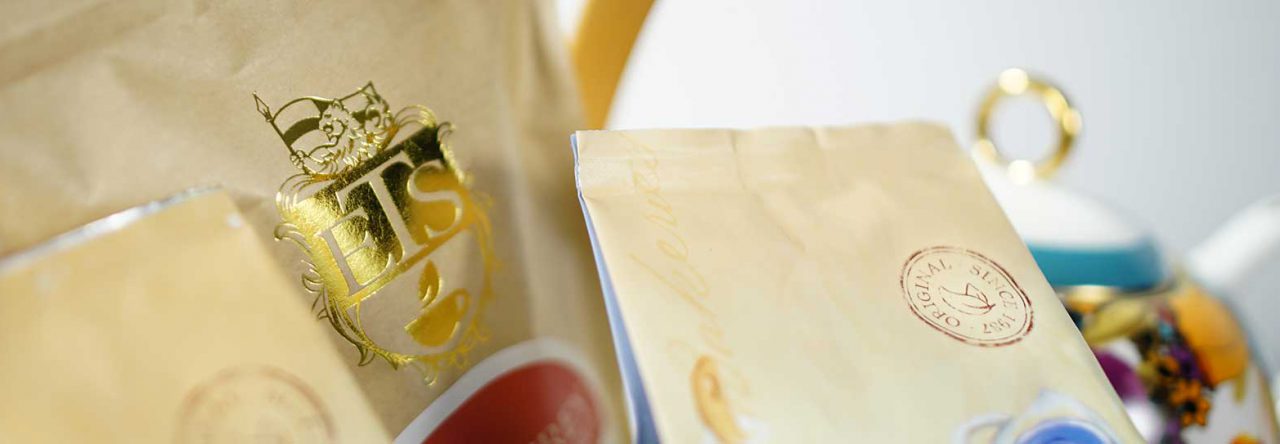
It’s always disappointing when beautiful blooming teas lose their magic because of poor storage practices. (ETS Image)
The Enemies of Tea Freshness
If tea had a list of sworn enemies, the usual suspects would appear immediately:
- Air and oxygen
- Light exposure
- Moisture and humidity
- Heat
- Strong odors
Tea leaves are remarkably good at absorbing surrounding aromas. While this ability is essential during the production of scented teas such as jasmine tea, it becomes a problem when storage conditions are less than ideal.
A poorly sealed container stored beside strongly scented foods can lead to some very unexpected flavor combinations.
Unfortunately, most of them are not improvements.
When Teas Start Sharing Personalities
Flavor contamination works both ways.
A delicate tea can absorb odors from nearby foods, spices, or teas. Likewise, strongly scented teas can spread their aromas throughout a tea collection if they are not properly sealed.
For example:
- Earl Grey can share its bergamot fragrance with neighboring teas.
- Jasmine tea can perfume nearby containers.
- Cinnamon-flavored teas can make an entire cupboard smell like a bakery.
- Lapsang Souchong can transform everything nearby into a smoky experience.
While these accidental blends may sound amusing, they typically result in the loss of each tea’s original character.
You Know You’ve Stored Your Tea Too Long When…
In the spirit of lighthearted tea humor, here are a few warning signs that your storage system may need attention.
- Your Earl Grey smells more like jasmine than bergamot.
- Your jasmine tea seems to have developed a peppermint personality.
- Your blooming teas refuse to bloom.
- Your white tea has lost its silvery appearance and is turning brown or gray.
- Your gunpowder tea looks a little too much like actual gunpowder.
- Your breath mints smell like Lapsang Souchong—and somehow the Lapsang smells minty.
- The storage pouch appears puffed up with excess air.
- Your tea tin is showing signs of rust.
- You open the package and discover mold rather than tea.
- The local mice appear unusually energetic and suspiciously interested in your tea cabinet.
While a few of these examples are meant as jokes, several represent genuine indicators that tea quality has begun to deteriorate.
Serious Signs of Improper Storage
Beyond humorous warning signs, there are several legitimate indicators that tea may no longer be at its best.
Watch for:
- Loss of aroma
- Faded flavor
- Discoloration of leaves
- Excessive brittleness
- Visible moisture damage
- Mold growth
- Unusual odors
If tea smells musty, damp, sour, or otherwise unpleasant, it is generally best not to consume it.
Particularly with moisture-sensitive teas, mold contamination should be treated seriously.
How to Store Tea Properly
Fortunately, proper storage is relatively straightforward.
For most teas, the following guidelines will help preserve freshness:
- Store tea in airtight containers.
- Keep tea away from direct sunlight.
- Avoid humid environments.
- Protect tea from strong odors.
- Store tea in a cool, stable location.
- Seal containers immediately after use.
- Keep strongly scented teas separate from delicate teas.
Many tea enthusiasts maintain dedicated storage tins or cabinet areas specifically to prevent flavor migration between teas.
Special Considerations for Different Tea Types
Not all teas behave the same way.
Green teas and many white teas typically benefit from greater protection from air and heat to preserve their freshness.
Flavored teas require careful separation to prevent aroma transfer.
Pu-erh teas are often stored differently from other tea categories, particularly when aging is desired. Even so, proper humidity control remains essential to prevent undesirable mold growth.
Understanding the unique storage needs of your favorite teas can significantly improve their longevity and enjoyment.
The Bottom Line
Tea storage may not be the most glamorous part of tea appreciation, but it is one of the most important.
Properly stored tea rewards the effort with fresh aromas, vibrant flavors, and satisfying cups for months—or in some cases years—to come.
A few simple precautions can help protect your collection from tea’s greatest enemies while preventing unfortunate incidents involving cookie-flavored white tea, minty Lapsang Souchong, or mysteriously exhausted blooming teas.
After all, tea should surprise you because of its flavor—not because it suddenly tastes like something else entirely.
See more of A.C. Cargill’s articles in this archive of tea culture, tea storage, and tea lifestyle articles.
© Online Stores, Inc., and The English Tea Store Blog, 2009–2014. Unauthorized use is prohibited. Excerpts may be used with proper credit and links to the original content.
“


Leave a Reply