
Type of Tea: Green Tea
Format: Loose Leaf
Recommended Steep Time: 3 Minutes
Some tea combinations seem perfectly natural. Others inspire a bit of hesitation.
For me, Earl Grey Green Tea fell squarely into the second category.
I have always associated the distinctive citrus-floral character of bergamot with traditional black tea. Earl Grey and black tea feel inseparable, much like mint and chocolate or strawberries and cream. The idea of pairing bergamot with green tea seemed unusual enough to spark curiosity—and a little skepticism.
Compounding my uncertainty was the vague memory of trying a green Earl Grey years ago and not being particularly impressed.
Still, one of the joys of tea exploration is revisiting assumptions, so I approached The English Tea Store’s Earl Grey Green Tea with an open mind and a willingness to be surprised.

Earl Grey Green Tea prior to brewing. (Photo by Elise Nuding, all rights reserved)
What Is Earl Grey Green Tea?
Unlike traditional Earl Grey, which is typically made using black tea, this blend combines Ceylon green tea with natural bergamot oil.
The result is a tea that retains Earl Grey’s signature citrus aroma while showcasing the lighter, more delicate nature of green tea.
At least in theory.
The real question is whether the two components complement one another in practice.
Brewing Experimentation
The recommended steeping time is three minutes.
However, I rarely steep green tea for that long. Personally, I prefer lighter infusions that emphasize sweetness and freshness while minimizing bitterness.
As a compromise, I initially brewed the tea for two minutes.
That experiment confirmed my suspicions.
The resulting cup was noticeably stronger than I prefer, and a touch of bitterness began to emerge.
For my second attempt, I reduced the infusion time to approximately one minute and forty-five seconds using fresh leaves.
The difference was significant.
The tea felt smoother, more balanced, and considerably more enjoyable.
In fact, based on my preferences, I could easily see myself experimenting with even shorter infusion times.
Of course, tea brewing is highly personal. Drinkers who enjoy a fuller-bodied green tea may find that the recommended three-minute steep produces excellent results.
For newcomers, however, starting slightly below the suggested time and adjusting upward may be the safest approach.
How Bergamot Behaves in Green Tea
What surprised me most was not the bergamot itself, but how differently it presented compared with traditional Earl Grey.
In black tea, bergamot often feels integrated into the tea’s rich, malty foundation. Since I generally take black Earl Grey with milk, the citrus notes become part of a larger, creamier flavor profile.
Without milk and paired with green tea, the bergamot seemed transformed.
Its floral characteristics became much more noticeable.
The citrus notes felt brighter and more delicate, while the green tea contributed a fresh, clean backdrop rather than the deeper structure provided by black tea.
The experience was familiar enough to be recognizable as Earl Grey, yet different enough to feel like an entirely separate tea style.
Multiple Infusions
One advantage of many loose-leaf green teas is their ability to produce multiple enjoyable infusions.
Earl Grey Green Tea performed particularly well in this regard.
For the second and third infusions, I reduced the steeping time to approximately one minute and thirty seconds.
Interestingly, these later steeps proved to be my favorites.
The flavors became slightly softer and more integrated, allowing the floral bergamot notes and the green tea base to work together more harmoniously.
Rather than fading quickly, the tea maintained enough character to remain satisfying throughout multiple brews.
Flavor Profile
Based on my experience, drinkers can expect:
- Bright bergamot aroma
- Floral citrus notes
- Clean green tea character
- Light body
- Refreshing finish
- Good performance across multiple infusions
When brewed carefully, the tea remains smooth and refreshing without overwhelming the palate.
Who Will Enjoy This Tea?
Earl Grey Green Tea will likely appeal to several types of tea drinkers:
- Fans of traditional Earl Grey seeking something lighter
- Green tea enthusiasts interested in flavored teas
- Drinkers who enjoy floral and citrus-forward flavor profiles
- Those looking for a refreshing afternoon tea
Even tea drinkers who normally avoid heavily floral teas may find this blend surprisingly approachable.
I certainly approached it with reservations and ended up enjoying it far more than expected.

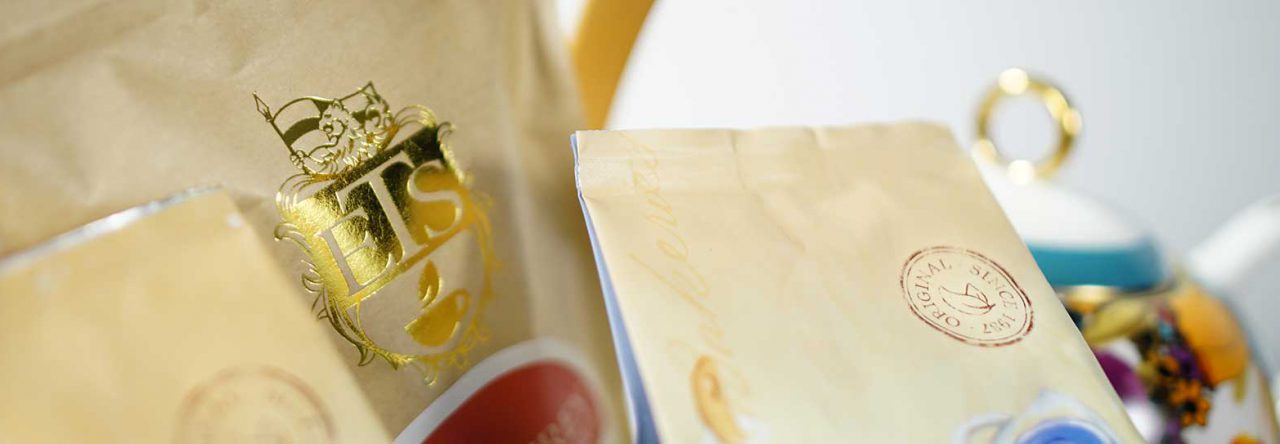
Earl Grey Green Tea from The English Tea Store. (ETS Image)
The Bottom Line
Earl Grey Green Tea successfully bridges two very different tea traditions.
The familiar citrus-floral character of bergamot remains present, but the green tea base transforms the experience into something lighter, brighter, and more nuanced than traditional Earl Grey.
While careful attention to steeping time is important—particularly for those sensitive to bitterness—the tea rewards experimentation and performs exceptionally well over multiple infusions.
If you’re a fan of Earl Grey, green tea, or simply enjoy exploring unusual tea blends, this is a tea worth trying.
It just might challenge a few assumptions about what Earl Grey can be.
See more of Elise Nuding’s articles in this archive of tea reviews, tea culture, and tea exploration articles.
© Online Stores, Inc., and The English Tea Store Blog, 2009–2014. Unauthorized use is prohibited. Excerpts may be used with proper credit and links to the original content.


Leave a Reply