
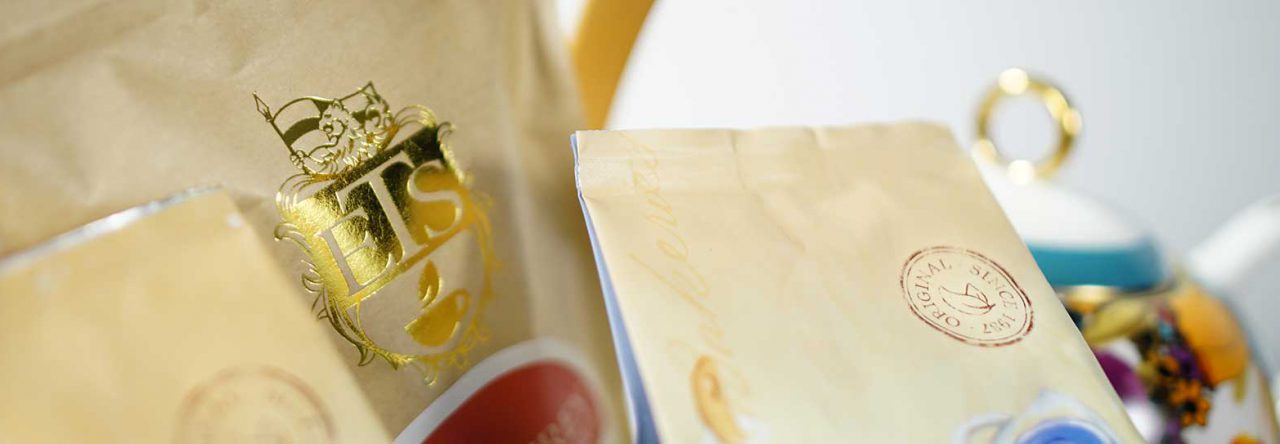
When discussing online tea sales, it’s easy to focus on one of the most obvious elements: the photographs.
After all, tea is a visual product. Beautiful dry leaves, colorful infusions, artfully arranged teaware, and close-up shots of whole tea leaves can all influence whether a visitor explores further or clicks away.
But successful online tea merchants know that attractive photographs are only one piece of the puzzle.
Selling tea online requires a careful balance of branding, presentation, usability, and customer experience. A website may offer exceptional teas, but if visitors struggle to find products or complete a purchase, those teas may never make it into a shopping cart.

An effective tea website should balance visual appeal, clear branding, and easy navigation.
First Impressions Matter
Most customers form an opinion about a website within seconds of arriving.
Before they read a product description or compare prices, they unconsciously evaluate:
- Visual design
- Professional appearance
- Organization
- Ease of navigation
- Trustworthiness
For online tea merchants, first impressions can be especially important because customers cannot physically smell, taste, or handle the tea before purchasing.
The website itself becomes part of the product experience.
The Importance of Differentiation
One of the most effective ways for a tea retailer to stand out is by developing a clear identity.
The internet contains thousands of tea vendors offering overlapping selections of black tea, green tea, oolong tea, herbal blends, and flavored teas.
A merchant who simply assembles a random assortment of products may struggle to distinguish themselves from competitors.
Successful tea businesses often establish a specific focus, such as:
- Chinese teas
- Japanese teas
- British tea culture
- Organic teas
- Estate-grown teas
- Artisan tea blends
- Traditional teaware
A clearly defined specialty helps customers understand what makes a vendor unique and why they should return.
Good Tea Photography Is Essential
High-quality photography remains one of the strongest selling tools available to online tea merchants.
Customers often want to see:
- Dry leaves
- Steeped leaves
- The color of the liquor
- Packaging
- Brewing suggestions
- Teaware used with the tea
Clear photographs build confidence and help shoppers understand what they are purchasing.
Poor-quality images, by contrast, can make even excellent tea appear less appealing.
Visual Design Beyond Product Photos
Website appearance extends far beyond the product images themselves.
Many tea websites suffer from designs that feel outdated or overly complicated.
Visitors may not consciously identify the problem, but design quality often influences perceptions about professionalism and reliability.
Elements that contribute to visual appeal include:
- Readable typography
- Consistent color schemes
- Thoughtful spacing
- Mobile-friendly layouts
- High-quality graphics
- Clean page organization
A visually appealing site encourages visitors to stay longer and explore further.
Usability Is Just as Important as Beauty
Even the most attractive website can fail if customers cannot easily find what they want.
Usability is often the difference between a completed order and an abandoned shopping session.
Tea shoppers should be able to quickly locate products based on categories such as:
- Tea type
- Country of origin
- Flavor profile
- Price range
- Caffeine level
- Tea bags or loose leaf
If finding a favorite tea feels like solving a puzzle, customers may eventually choose a competitor whose website requires less effort.
The Navigation Test
A simple question can reveal a great deal about a site’s usability:
Can a first-time visitor find a specific tea within a few clicks?
If the answer is no, the navigation system may need improvement.
Menus should be logical, search tools should function properly, and category structures should reflect how customers naturally shop.
The easier it is to find products, the more likely customers are to make a purchase.
Don’t Make Checkout Difficult
One of the most overlooked parts of many online stores is the checkout process.
A customer who has already selected products is signaling a desire to buy.
At that stage, the site’s primary job is to remove obstacles rather than create them.
An effective checkout process should be:
- Simple
- Clear
- Fast
- Mobile-friendly
- Free of unnecessary steps
Customers should never have to guess what information is required or where they are in the process.
When in doubt, simplicity wins.
Design for Real People
One of the most valuable principles in website design is assuming that visitors need guidance.
This doesn’t mean customers lack intelligence. It means a well-designed website never requires visitors to figure things out on their own.
The best online stores anticipate questions and make actions obvious.
Good design minimizes friction.
Great design makes the entire process feel effortless.
The Bottom Line
Selling tea online involves much more than offering quality products and posting attractive pictures.
Successful tea websites combine clear branding, appealing visuals, intuitive navigation, and a simple purchasing process to create a positive customer experience.
The best tea merchant sites make it easy for visitors to discover products, learn about tea, and complete purchases with minimal frustration.
After all, customers should spend their time thinking about which tea to buy—not trying to figure out how the website works.
See more of William I. Lengeman’s articles in this archive of tea commentary, tea business, and tea culture articles.
See also: 10 Website No-Nos for Internet Tea Stores
© Online Stores, Inc., and The English Tea Store Blog, 2009–2014. Unauthorized use is prohibited. Excerpts may be used with proper credit and links to the original content.

Leave a Reply